


Cayman Islands Company Structures
The structure you choose affects your ownership and management. It also impacts rules related to compliance and how your company can operate.


The support team is always
available 24/7
19th Floor, Dubai World Trade Centre -
Sheikh Zayed Rd Trade Centre
+971 4 516 2100
Search by title or keyword to find what you need (Min. 3 Characters)

Company Registration in Cayman Islands

The Cayman Islands is a recognised international financial centre with a strong legal framework and a business-friendly environment. It offers tax-neutral structures for international businesses. Its established financial ecosystem makes it a popular jurisdiction for investment funds and holding structures.
DART can guide you through Cayman Islands company registration from structure selection to incorporation and ongoing compliance. We coordinate the key steps, so your company is set up with the right documents and corporate framework.
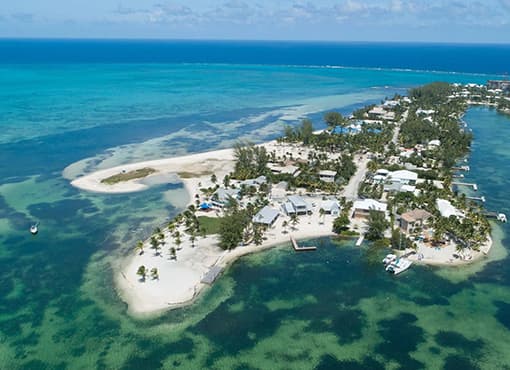

Cayman has built its reputation around a mature international financial ecosystem. The jurisdiction uses an English common-law framework and has developed strong legal and financial structure around international business. This makes it particularly relevant to investment funds, asset management businesses, and holding structures.
The Cayman Islands has no general corporate income tax, capital gains tax, or withholding tax. However, this does not mean that every business is free from tax or compliance requirements. As economic substance rules, licensing requirements, and tax rules can still apply.
For international founders, it is important to understand that a Cayman company can be tax-neutral within the jurisdiction while its owners may still have tax obligations elsewhere.
The structure you choose affects your ownership and management. It also impacts rules related to compliance and how your company can operate.
An exempted company is one of the most common structures for international businesses whose activities are mainly outside the Cayman Islands. This structure allows considerable flexibility around capital and corporate arrangements.
It also does not have to keep its register of members open for public inspection in the same way as resident and non-resident companies. That's why this structure is mainly considered for international holding companies, investment structures, and businesses serving markets outside Cayman.
A Cayman LLC provides a different approach to ownership and management. Unlike a company formed under the Companies Law, an LLC does not have share capital.
Members hold LLC interests, and management can rest with members or appointed managers. An LLC must also file an annual return and pay the prescribed annual fee.
A Segregated Portfolio Company (SPC) is designed for structures where different pools of assets and liabilities need to be separated within one legal entity.
Each portfolio can have its own assets and liabilities while remaining part of the same company. This makes an SPC particularly relevant to certain investment and insurance structures.
A Special Economy Zone Company (SEZC) is designed for qualifying businesses operating within Cayman's special economic zones.
Cayman Enterprise City supports businesses across areas such as technology, fintech, biotechnology, media, maritime, aviation, and commodities. An SEZC requires a genuine physical presence in the zone and must operate as a going concern.
The Cayman Islands business setup is a straightforward process. But your structure details and documents are needed to prepared correctly.
Step 1
Process
What happens
Start by deciding whether an Exempted Company, LLC, SPC, SEZC, or another structure matches the intended activity.
Step 2
Process
What happens
The proposed name is checked against Cayman naming requirements. Restricted words may require additional approvals.
Step 3
Process
What happens
The company needs a compliant registered office in Cayman. International founders commonly work with a licensed corporate service provider for this requirement.
Step 4
Process
What happens
The Memorandum and Articles of Association are prepared along with the required application and due diligence documents.
Step 5
Process
What happens
The incorporation application is submitted to the relevant Cayman authority. Cayman also provide the Cayman Business Portal for company registration. Professional service providers can handle the process on behalf of clients.
Step 6
Process
What happens
Once approved, the company receives its Certificate of Incorporation and can proceed with the next corporate and operational requirements.
The Cayman Islands company registration cost depends on various factors along with the government incorporation fee. For example, the official filing fee for an exempted company with registered capital up to CI$700. Higher capital bands carry higher government fees.
For international founders, the overall incorporation budget can be considerably higher after adding Cayman Islands incorporation services, registered office, due diligence, and any applicable licenses.
Typically, a standard international Cayman company setup can fall around €6,000 to €15,000+ depending on the structure and service package.

The timeline of a Cayman Islands company setup depends on the company type and compliance review. The Cayman Islands General Registry identifies three main incorporation stages which are -
Reserving the company name
Completing the incorporation application
Returning the signed consent forms

The exact document list varies by structure and ownership. However, the incorporation process generally involves:
The Cayman Islands General Registry specifically identifies the Memorandum of Association, Articles of Association and name approval among the core incorporation documents.
Additional information can be required when the business falls within a regulated industry or requires a Trade and Business License.

Cayman's tax environment is one of its best-known features. The jurisdiction does not impose a general corporate income tax, capital gains tax or withholding tax.
But the tax position needs to be viewed from both sides of the structure. A Cayman company may have no corporate income tax but the same business can still have tax obligations in another country. This can depend on where the owners live and where the company's commercial activity happens.
Economic substance is another important consideration. Cayman's Economic Substance legislation applies to entities conducting specified relevant activities. The framework covers activities such as banking, insurance, fund management, shipping, holding company, intellectual property, and distribution & service centres.
This makes early structural planning important. The company's intended activity should be assessed before incorporation rather than after the structure is already in place.
Registration gives the company its legal activity. But keeping it in good standing requires ongoing compliance. Depending on the company type and activities, ongoing obligations can include:

International incorporation becomes easier when the company structure and compliance requirements are considered together. DART provides a structured approach to Cayman Islands company incorporation by helping businesses assess their requirements before moving into the Cayman Islands business registration process.
Our support covers: